Overseas Aftermarket Car Parts: The Real Sourcing Guide
Everyone repeats the same line: "it all comes out of the same factory." That's a half-truth — and a dangerous one. Here's what actually separates a $500 part from a $2,000 one, factory by factory, weld by weld.
The Reality of Global Automotive Sourcing
"Why pay a premium brand when it all comes from the same factory anyway?"
Direct Answer: While aftermarket parts and premium brands often originate from the same overseas facilities, their quality diverges completely based on a Tiered Production System. Factories manufacture components to entirely different standards depending on the client's engineering budget, raw material specifications, and quality control tolerances.
Overseas manufacturing facilities run distinct production tiers under one roof:
- Tier 1 (Premium Contracted): Brands pay for exclusive R&D, proprietary structural molds, high-grade raw materials (like autoclaved dry carbon or back-purged T304 stainless steel), and zero-tolerance QC.
- Tier 2 (Factory Overruns & B-Grade): Production runs featuring minor visual or structural blemishes that failed Tier 1 inspection. These are side-channeled unbranded into open marketplaces.
- Tier 3 (Open Molds & Cloning): Independent budget shops using worn, reverse-engineered molds with low-grade resins and cheap cast metals to flood public listings.
The Parts Plug Vault Solution
The goal isn't to avoid overseas manufacturing — it's bypassing the brand markup safely. Your subscription to the Vault filters out Tier 3 open-molds, giving you direct access to verified Tier 1 and Tier 2 factories. Unlock the Direct Access Pass →
The Mechanics of Aerodynamic Fitment
"Why do budget body kits and splitters frequently suffer from panel gaps and misalignment?"
Direct Answer: Aftermarket body kit fitment issues are primarily caused by industrial mold degradation and storage gravity warp during international transit, rather than poor installation technique. Aging composite molds create a 2% to 3% dimensional variance that results in severe panel gaps on high-end body panels.
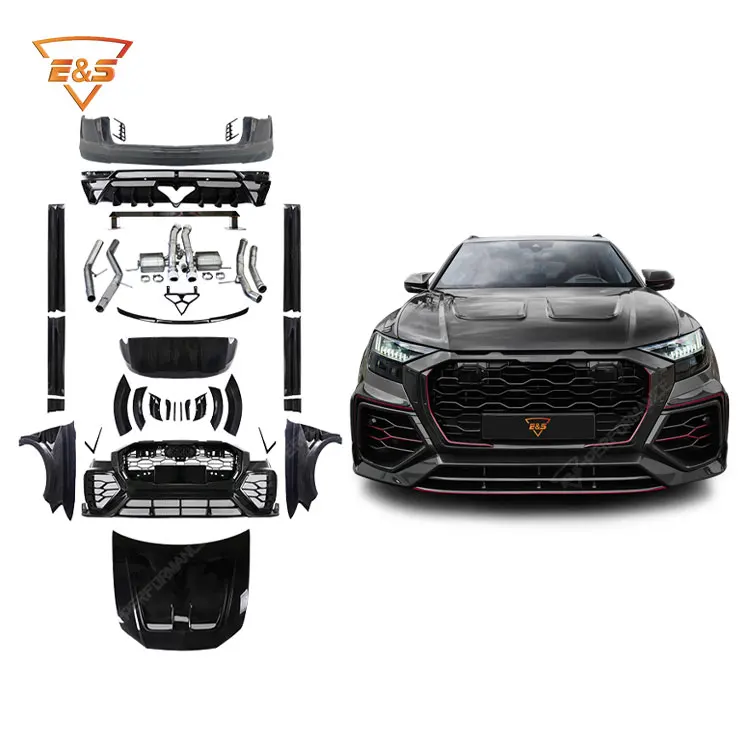
- Mold Degradation: A factory composite mold degrades heavily after ~500 pulls. Premium brands retire them; budget open-market sellers run them indefinitely, leading to warped body lines.
- Storage Gravity Warp: Long polyurethane or fiberglass parts (side skirts and lips) stacked tightly in hot shipping containers over months take a physical "set." Installers use a controlled heat gun to let the plastic's molecular memory relax back to its original shape before mounting.
Stop Guessing on Fitment
The Vault indexes body and styling manufacturers with verified structural tolerances for everything from daily drivers to Lamborghinis, Ferraris, and McLarens. Gain Vault Access →
Advanced Metallurgy & Exhaust Integrity
"Why do budget stainless steel exhaust systems and downpipes crack under load?"
Direct Answer: Budget stainless steel exhausts fail prematurely because manufacturers skip the critical chemical process of back-purging the weld joints with inert argon gas. Without internal gas shielding, the interior metal oxidizes rapidly under intense heat, creating a brittle, porous structure known as 'sugaring' that cracks under engine vibration.
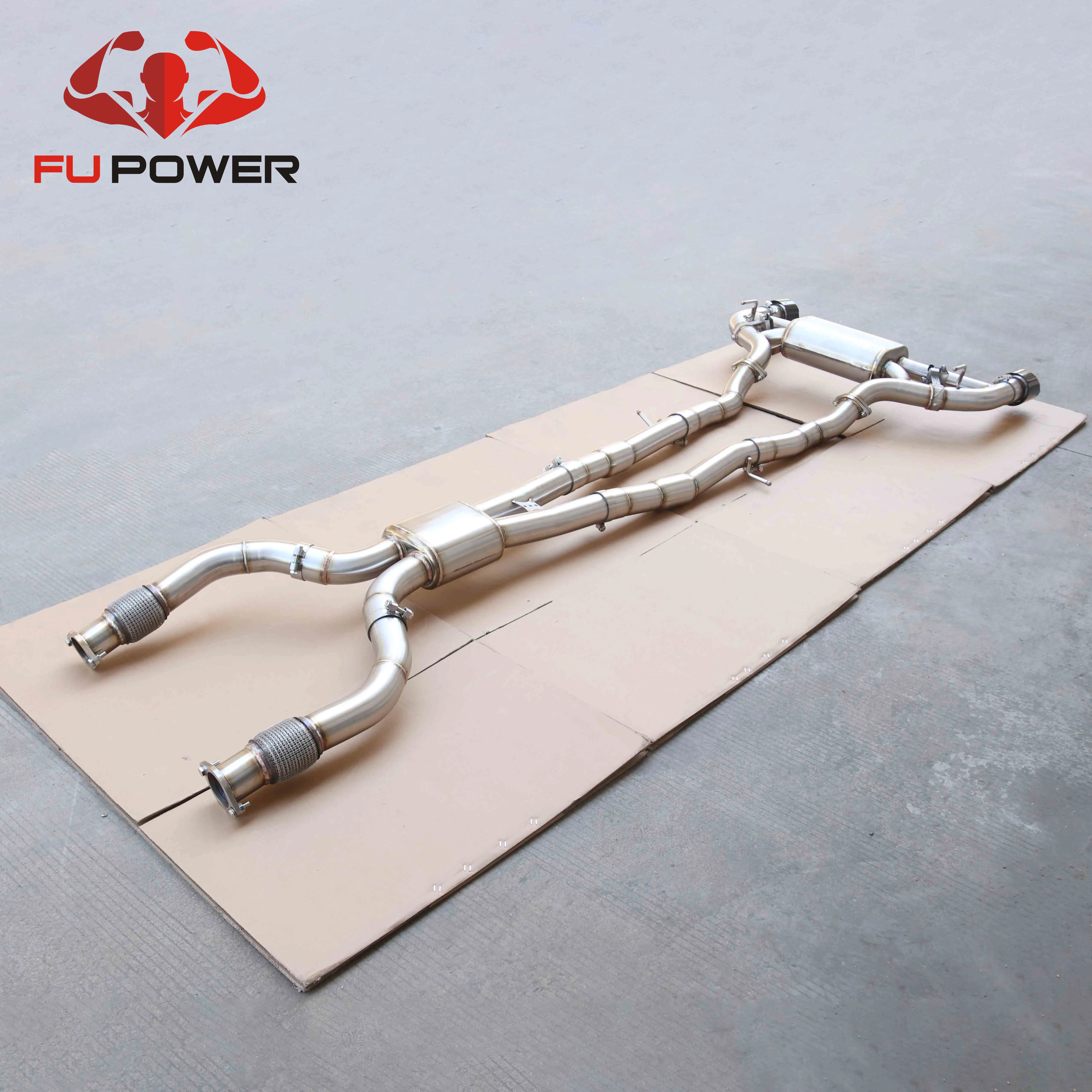
| Manufacturing Step | Budget Open Marketplace Tier | Verified Vault Supplier Tier |
|---|---|---|
| Internal Gas Shielding | Skipped entirely (atmospheric air exposure) | 100% inert argon gas back-purged |
| Internal Weld Structure | Porous, brittle oxidation ("sugaring") | Smooth, continuous, structurally solid |
| High Heat Tolerance | Prone to micro-fracturing under high EGTs | Maintains lifetime structural integrity |
Direct Pipeline to Premium Metallurgy
Skip the cracked welds. Get the exact supplier lines manufacturing true, back-purged T304/T316 stainless and titanium exhaust systems for a fraction of retail brand pricing. Enter the Vault →
Decoding Carbon Fiber Architecture
"What is the structural difference between low-cost carbon fiber and premium variants?"
Direct Answer: Budget carbon fiber ('Wet Carbon') is constructed by laying a single cosmetic sheet of carbon over a heavy fiberglass core bound by hand-poured resin, which waves and yellows under UV exposure. Premium 'Dry Carbon' uses pre-impregnated sheets cured under immense pressure inside an autoclave with zero fiberglass, remaining stable under extreme heat.
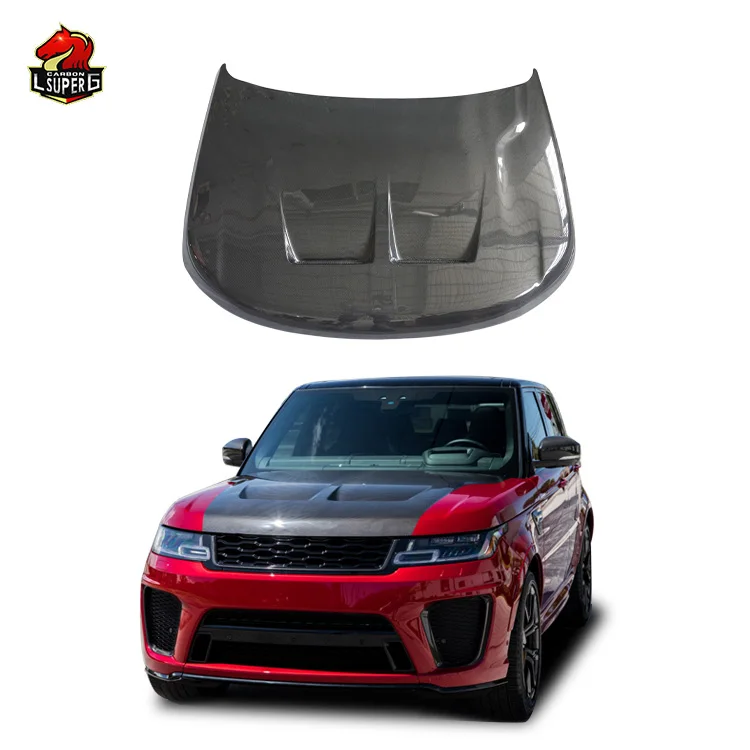
- Wet Carbon Fiber: Hand-saturated with standard epoxy resin and sprayed with an unbaked clear coat. The resin expands at a different rate than the fiberglass core under engine-bay heat, producing a cloudy, yellowed, or wavy finish within months.
- Dry Carbon Fiber: Sourced with resin pre-impregnated into the weave. Autoclave curing removes air pockets, making the component up to 70% lighter and exponentially stronger than its wet counterpart.
Access Carbon for Every Elite Platform
From interior trims to full dry-carbon body panels for McLaren, Porsche GT cars, and BMW M models — one subscription connects you to the source. View Carbon Suppliers →
High-Horsepower Engineering: Internals & Wheels
"How do you distinguish between legitimate aerospace-grade forged components and cheap cast replicas?"
Direct Answer: High-performance integrity depends entirely on grain-structure alignment. Real forged wheels use solid 6061-T6 aluminum blocks compressed under thousands of tons of hydraulic pressure to align the metal's grain structure, whereas cast replicas pour molten metal into a mold, leaving microscopic air pockets prone to catastrophic failure under impact.
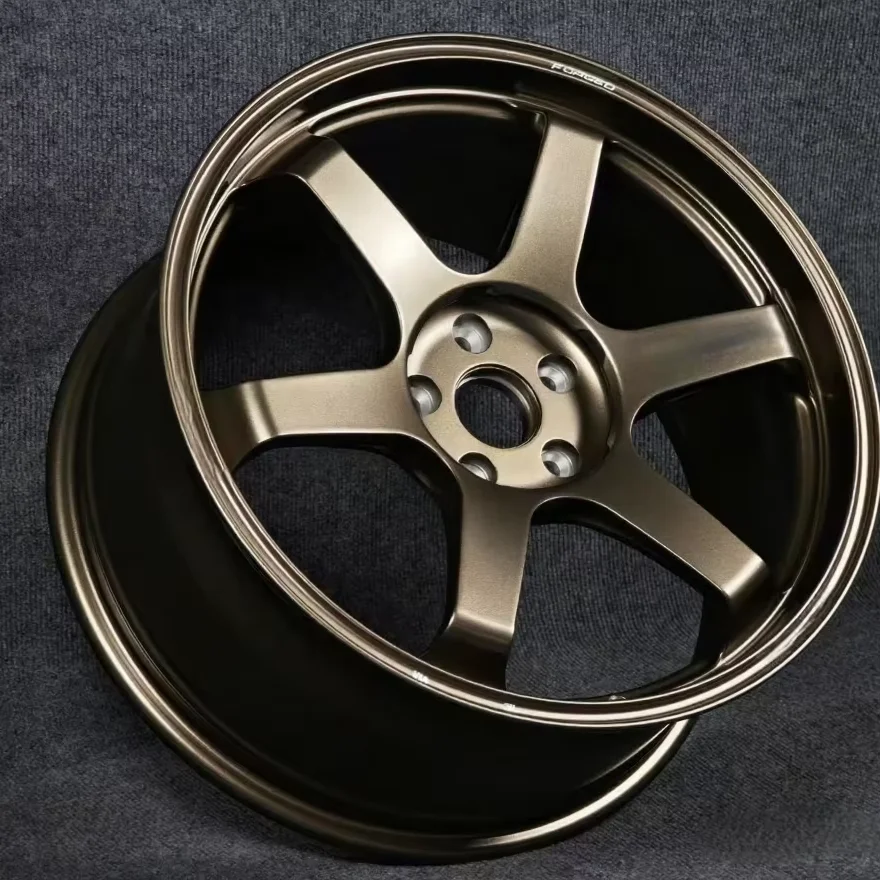
| Component Category | Cast / Budget Copy Standards | Aerospace / Forged Vault Standards |
|---|---|---|
| Forged Wheels & Beadlocks | Cast liquid aluminum (brittle, high porosity) | Solid 6061-T6 aluminum (continuous grain) |
| Pistons & Connecting Rods | Factory cast or basic powder-metal | 4340 high-tensile chromoly forged steel |
| Application Limit | Street driving / basic loads only | High-horsepower, forced induction, track use |
Build with Genuine Strength
Whether you need custom-offset 6061-T6 forged wheels or heavy-duty 4340 engine internals to hold massive boost, stop paying middleman markups. Unlock the Engine & Wheel Database →